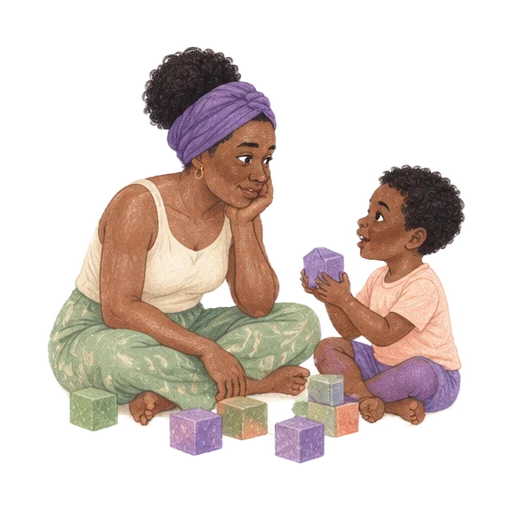
Children & parents · ages 2–8

Behind the big feelings,
there’s a little person.

You know your child. And when something feels different, you don’t have to make sense of it on your own.

Personal care & guidance · CuraçaoA little more about this

Tell me what you’ve noticed about your child.

You might be wondering why mornings have become so difficult, or why your child seems quieter lately. I’d like to hear what you see at home and what you’re unsure about.

You don’t need a diagnosis before we talk. We can begin with everyday moments and discuss what support might suit your child and your family.

Martha

I’d like to hear what life is like for you both.
  • Big feelings that are hard to settle
  • Worries about school or new situations
  • Confidence, friendships and finding their voice
  • Feeling unsure about what helps as a parent
Fees & practical details

We begin with your perspective.

You bring a part of the story no one else has: everyday life with your child. The first conversation makes room for what you see at home, what school is noticing and the questions you have.

Together with Martha, you can explore what support might fit. Who attends later visits and how your child takes part are discussed with you, rather than assumed.
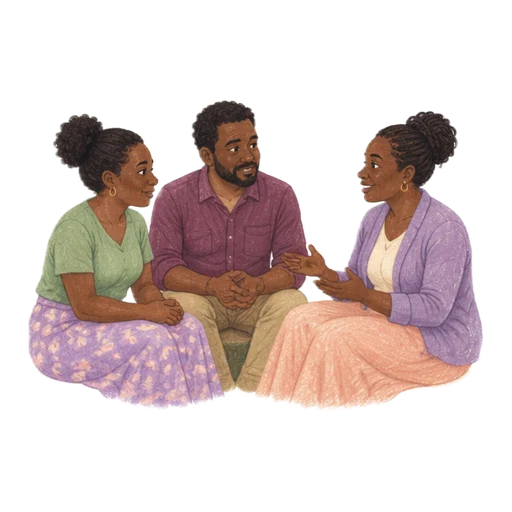
The adults around them matter, too.

A child’s world includes parents, caregivers and teachers. Support can involve the adults helping them grow, as well as the child.

If school involvement may help, you and Martha discuss why, who would be involved and what information could be shared. This needs its own agreed scope and permissions.

About privacy

Small moments are worth talking about.

You don’t have to wait until everything feels unmanageable. Questions about emotions, early development and transitions are a reason to begin a conversation.

The child pathway focuses on ages 2–8. If your child is outside this range, the clinic needs to review the fit before a routine appointment is booked.

If you need urgent help

A little clarity.
Before you begin.

Does my child need a diagnosis first?

No diagnosis is needed to start a conversation. Any further assessment or support is discussed separately, after understanding your situation.

Should I tell my child about the visit?

Ask Martha how to explain the visit in a way that suits your child’s age and the agreed format. You do not need to prepare a perfect explanation yourself.

How are permissions arranged?

Guardian permissions, attendance and any involvement of other caregivers or school need to be discussed with the clinic. The live booking requirements are still awaiting approval.

AT YOUR PACE

Begin with what you’ve noticed.

You don’t have to find the right words before you start.

Explore a first visit

Free changes up to 24 hours before your visit.